

-
Close, prolonged face-to-face contact through respiratory droplets.
-
Direct contact with skin lesions or bodily fluids of an infected person.
-
Contact with contaminated objects such as bedding, clothing, or surfaces.
-
Intimate physical contact, including hugging,
kissing, or sexual contact.
Unlike COVID-19, monkeypox does not spread as easily. People are typically considered contagious only when symptoms appear.
What Are the Symptoms of Monkeypox?
Monkeypox symptoms generally appear 5 to 21 days after exposure and develop in two stages:
-
Early Symptoms (Similar to Flu-like Symptoms):
-
Fever
-
Headache
-
Muscle aches
-
Back pain
-
Chills
-
Fatigue
-
Swollen lymph nodes (a key symptom distinguishing monkeypox from smallpox)
-
-
Rash Phase:
-
A rash develops within a few days after fever and often:
-
Starts on the face and spreads to the body
-
Appears on the palms and soles
-
Progresses through stages: spots → bumps → blisters → pustules → scabs
-
Can be painful or itchy
-
The illness typically lasts 2 to 4 weeks. Most people recover fully, but monkeypox can be more serious for children, older adults, and those with weakened immune systems.
-
-
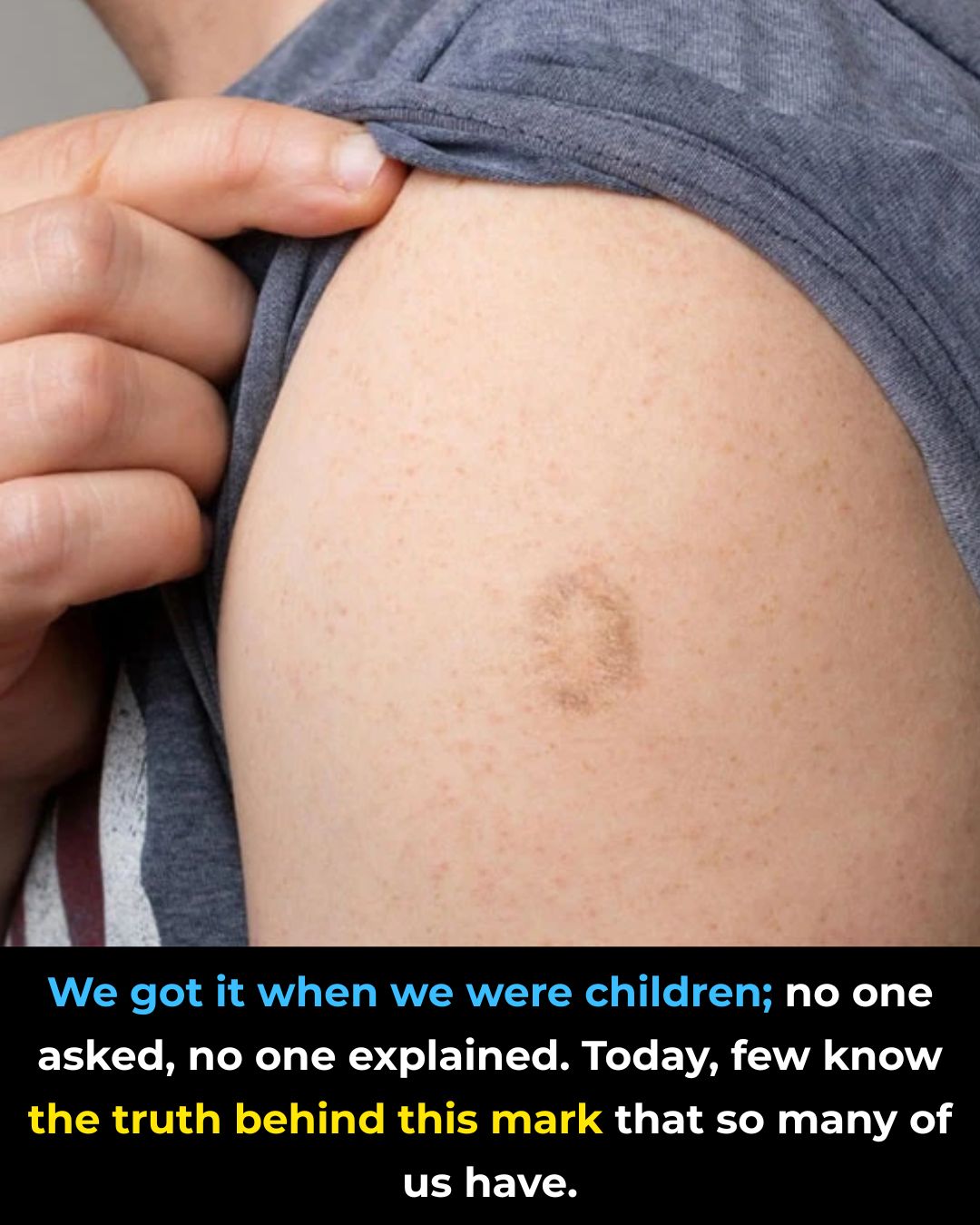
Here’s The Truth Behind This Scar On People’s Upper Left Arm



Pages: 1 2
